TL;DR: Roof maintenance in Texas is critical for protecting your home from extreme weather, preventing costly repairs, and extending your roof’s lifespan. This guide walks you through a simple, effective roof maintenance checklist built for Texas conditions.
- Inspect your roof twice a year and after major storms
- Keep gutters clean to prevent water damage and leaks
- Trim nearby trees to reduce risk of damage
- Remove debris to prevent moisture buildup
- Schedule annual professional residential roof maintenance
Keeping your roof in great condition is one of the easiest ways to protect yourhome. In Texas, where scorching heat, heavy rains, high winds, and sudden storms are part of everyday life, your roof takes on more wear and tear than you might expect.
Because your roof is your home’s first line of defense, staying ahead with consistent roof maintenance in Texas can make all the difference. Small issues like loose shingles or clogged gutters may not seem urgent, but left unchecked, they can quickly turn into costly repairs or even full roof replacements.
The good news? A little routine care goes a long way. With the right approach to preventative roof maintenance, you can extend the life of your roof no matter what the Texas weather brings.
Why Roof Maintenance in Texas Is Essential
Regular roof maintenance in Texas does more than prevent leaks; it protects your home’s structure, improves energy efficiency, and enhances curb appeal. A well-maintained roof also increases property value and lasts significantly longer.
With the state’s intense heat, high winds, and sudden storms, proactive and preventative roof maintenance helps homeowners avoid costly repairs and unexpected damage.
Roof Maintenance Tips
Use this roof maintenance checklist to help avoid costly roof repairs and extend the life of your roofing system.
1. Inspect Your Roof Regularly
Regularly inspecting your roof is a key part of preventative roof maintenance. By checking your roof regularly, you can spot minor potential problems early that save you from expensive roof repairs or replacement later.
How Often Should You Inspect?
Aim to inspect your roof at least twice a year—once in the spring and again in the fall. Also, inspect your roof after severe storms.
What to Look For
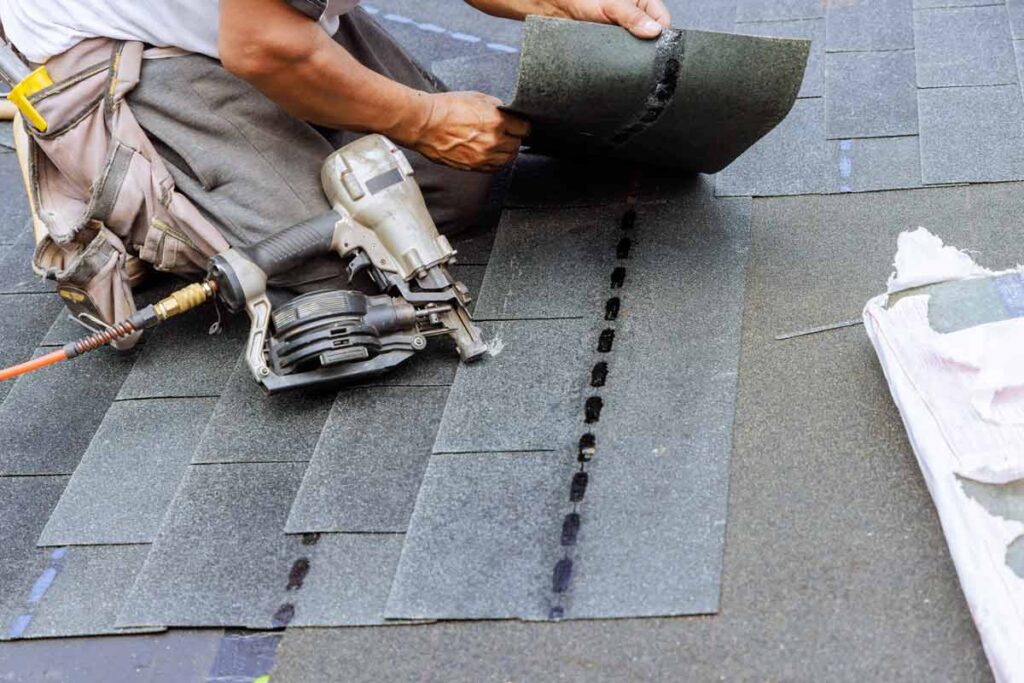
- Missing or damaged shingles on shingle roofs.
- Rust or loose panels on metal roofs.
- Signs of leaks or water stains inside your home.
If you’re unsure, hire roofing contractors to inspect your roof professionally and thoroughly.
2. Clean Your Gutters
Clogged gutters are one of the most common causes of roof damage. When water can’t drain properly, it backs up onto your roof, increasing the risk of leaks, mold, and structural issues.
Regularly clean your gutters and downspouts to ensure they are free of leaves, dirt, and other debris. Keeping gutters clear ensures proper drainage and helps prevent water damage.
3. Trim Tree Branches
Overhanging tree branches may seem harmless, but they can scrape against your roof, damaging shingles or panels. They can also break during storms and fall onto your roof, causing structural damage.
Trim the trees near your home, particularly any branches that hang over your roof. This not only helps protect your roof from damage but also keeps your roof clear of leaves and other debris.
4. Remove Debris from Your Roof
Leaves, twigs, and dirt can collect on your roof, especially after a storm. This debris holds moisture, which can lead to mold, rot, and weakening roofing systems over time.
Safely remove debris from your roof regularly using a soft-bristled broom. If you don’t want to get up on your roof or are worried about damaging your roofing material, hire a roofing company to clean your roof.

5. Check for Signs of Roof Leaks
Water stains on your ceiling or walls are often the first signs of a roof leak. Left unchecked, leaks can lead to significant structural damage and costly repairs.
As part of your residential roof maintenance routine, make it a habit to check for leaks and address them quickly by contacting a roofing professional.
6. Maintain Your Roof Based on Material
Different roofing systems require different care. For shingle roofs, look for curling, cracking, or missing shingles. For metal roofs, check for rust, dents, or loose fasteners.
Tailoring your approach to your roof type is one of the smartest roof maintenance tips and helps extend its lifespan while maintaining performance.
If you’re unsure of how to maintain your roof, contact a local roofing company for tips on practical roof care.
7. Hire Professional Roofers for Annual Maintenance
Some aspects of roof maintenance require specialized skills and tools. Roofing professionals have the experience to spot hidden issues and provide peace of mind.
Schedule an annual inspection with a trusted roofing company. Having your roof professionally inspected ensures any issues are addressed early, helping you avoid expensive repairs.
Your Simple Roof Maintenance Checklist
- Inspect your roof twice a year and after a storm. Look for missing shingles, rust, or damage.
- Clean your gutters and ensure proper drainage.
- Trim tree branches near your roof.
- Remove debris from your roof surface
- Check for leaks.
- Maintain your roof based on roofing material.
- Schedule annual maintenance with roofing contractors.
The Bottom Line on Residential Roof Maintenance
Consistent residential roof maintenance is one of the best investments you can make in your home. By following this roof maintenance checklist and applying these practical roof maintenance tips, you can avoid costly repairs and keep your roof performing at its best for years to come. Whether you have a shingle roof, metal roof, or another type of roof, proactive care ensures your home is ready for anything Texas weather throws your way.
When in doubt, contact a local roofing company or contractor to keep your residential roof maintenance on track and your home well-protected.