TL;DR: When comparing a gable roof vs hip roof, the right choice depends on your home’s design, local weather conditions, budget, and long-term goals. Understanding the difference between gable roof and hip roof designs can help homeowners choose a roofing system that balances performance, curb appeal, and cost.
- Gable roofs are typically more affordable and easier to build
- Hip roofs provide better stability in high winds and severe weather
- Gable roofs offer more attic space and ventilation
- Hip roofs have a more modern, streamlined appearance
- Both roof styles have unique advantages depending on your climate and home style
Choosing the right roof style is one of the most important decisions homeowners make during a roof replacement or new construction project. Two popular options are gable roofs and hip roofs. But what exactly is the difference between a gable roof and hip roof?
While both roof styles offer unique advantages, the right choice depends on your budget, climate, home design, and long-term goals. In this guide, we’ll break down the key differences between a gable roof vs hip roof so you can make the best decision for your home.
1. Roof Design and Structure
One of the biggest differences in the gable vs hip roof comparison is the overall structure and shape.
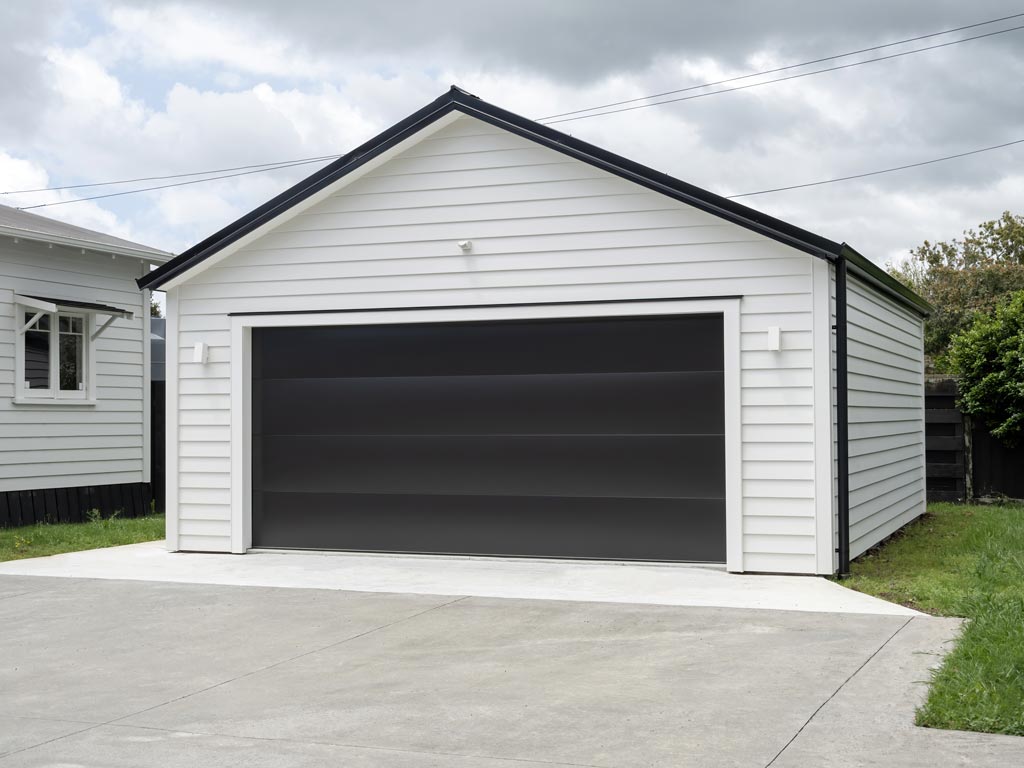
A gable roof has two sloped sides that come together at a ridge, forming a triangular shape. Often called a peaked or pitched roof, this traditional design is common in ranch-style and colonial homes. The sides of the roof are open, which allows for ventilation and natural light.
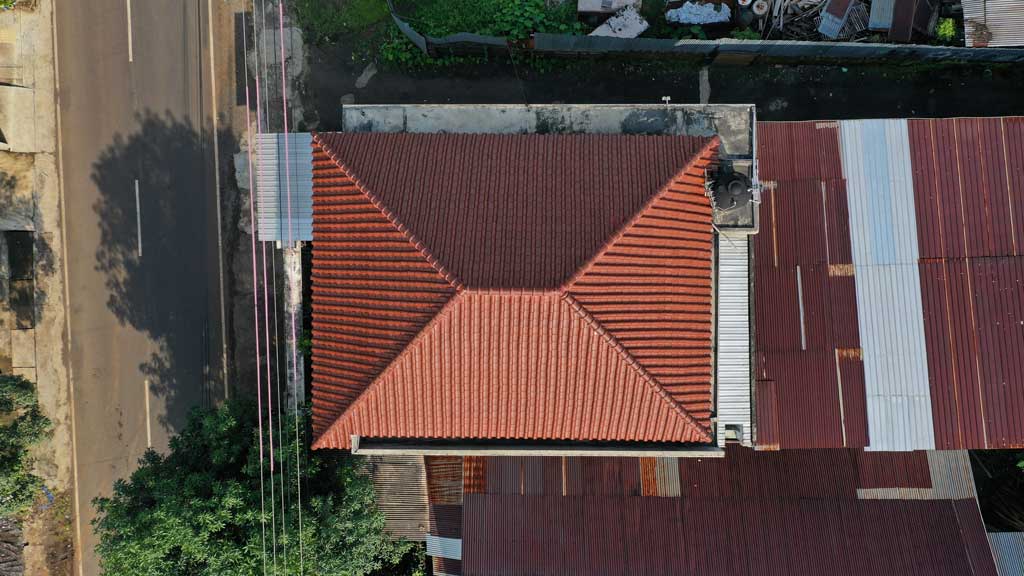
In contrast, a hip roof has four sloped sides, which come together at the top to form a ridge. Unlike gable roofs, all sides slope downward toward the walls of the home. This creates a more compact and aerodynamic design that provides greater structural stability.
The key difference here is that gable roofs have two sloped sides, while hip roofs have four.
2. Stability and Resistance to Weather
When deciding between a gable or hip roof, weather performance is an important factor, especially in areas prone to storms or heavy rainfall.
Gable roofs are excellent for shedding snow and water, thanks to their steep slope. However, they are more susceptible to damage from high winds.
Hip roofs offer better stability and wind resistance compared to gable roofs.
If you live in an area that experiences frequent storms or strong winds, a hip roof may provide better long-term durability.
3. Construction Complexity and Cost
Gable roofs are typically easier and faster to build because of their simpler design. They require fewer materials, less framing, and reduced labor costs, making them a more budget-friendly roofing option.
Hip roofs, however, are more complex to build due to their four-sided structure. They require more materials, specialized framing, and skilled labor, which increases the overall installation cost.
Overall, gable roofs are typically cheaper to build than hip roofs.
4. Attic Space and Ventilation
Another key difference between gable roof and hip roof designs is the amount of usable attic space and airflow they provide.
Gable roofs offer more attic space because of their steep, open design. This additional space can be used for storage, HVAC systems, or even converted into extra living space. Gable roofs also allow for better ventilation, which can improve energy efficiency and help regulate indoor temperatures.
Hip roofs typically provide less attic space because all four sides slope inward. Their enclosed structure can also make ventilation more limited without additional roofing features like ridge vents or attic fans.
For homeowners who want maximum attic storage or improved ventilation, a gable roof may be the better option.
5. Curb Appeal and Architectural Style
Gable roofs offer a timeless, traditional appearance that complements a wide range of home styles, including colonial, farmhouse, Cape Cod, and rustic homes. Their tall peaks can also make homes appear larger and more dramatic from the street.
Hip roofs have a sleek, modern look that works especially well with contemporary, Mediterranean, and upscale residential designs. Their symmetrical shape creates a clean and polished appearance that many homeowners prefer for modern architecture.
Ultimately, choosing between a gable or hip roof often comes down to your personal design preferences and the architectural style of your home.
Gable or Hip Roof Pros and Cons
Still deciding between the two roof types? Understanding the pros and cons of hip vs gable roofs can help you make a more informed decision.
Gable Roof Pros and Cons
Pros:
- More affordable to build and install
- They provide more attic space, which can be used for storage or converted into living space.
- Excellent for shedding water and snow
- Better natural ventilation
- Traditional look that suits many home styles
Cons:
- They are less stable in high winds
- May require additional support in storm-prone areas
- Open ends can be vulnerable during hurricanes
Hip Roof Pros and Cons
Pros:
- More stable and resistant to high winds
- Better performance during severe weather
- They offer a sleek, modern appearance and blend well with contemporary designs
- Consistent eaves offer added shade and protection
Cons:
- They are more expensive to build
- More complex construction process
- Provide less attic space
Best Use Cases for Gable and Hip Roofs
Choosing between a gable roof vs hip roof often depends on your climate, budget, and home style.
Gable Roofs Are Best For:
- Homes in snowy or rainy climates
- Homeowners looking for extra attic space
- Traditional and rustic home styles
- Budget-conscious roofing projects
Hip Roofs Are Best For:
- Homes in windy or hurricane-prone regions
- Modern and contemporary designs
- Homeowners prioritizing durability
- Long-term weather resistance
The Bottom Line on Gable Roof vs Hip Roof
When deciding between a gable roof vs. hip roof, there’s no one-size-fits-all answer. Each roof style offers unique advantages depending on your priorities and environmental conditions.
Gable roofs are cheaper and provide more attic space, but they may not be as stable in high winds. On the other hand, hip roofs offer better wind resistance and a modern look, though they come with higher construction costs.
Ultimately, the choice between gable and hip roofs depends on your needs, budget, and the environmental conditions in your area. Whether you prefer the traditional charm of a gable roof or the sleek stability of a hip roof, understanding these differences will help you make an informed decision for your home.
If you’re still unsure which option is better, the experts at Ace Roofing Company can help you evaluate your options and choose the ideal roof for your Austin home.
Ace Roofing is your go-to residential roofing contractor in Austin, TX
Whether you’re building a new house or planning a complete roof replacement, Ace Roofing Company is here to help. Our experienced team delivers expert guidance, high-quality craftsmanship, and dependable roofing solutions tailored to your home and budget.
Frequently Asked Questions About Gable Roof vs Hip Roof
The main difference between a gable roof and hip roof is the roof structure. A gable roof has two sloped sides that form a triangular shape, while a hip roof has four sloped sides that meet at the top. Hip roofs offer greater stability, while gable roofs provide more attic space and ventilation.
The answer depends on your needs, budget, and climate. If you want a more affordable roof with additional attic space, a gable roof may be the better option. If you live in a windy or storm-prone area and prioritize durability, a hip roof is often the better choice.
Yes, hip roofs are generally more expensive than gable roofs. Because hip roofs require more materials, framing, and labor to construct, they usually come with higher installation costs.
Both roof styles can last for decades when properly installed and maintained. However, hip roofs often perform better over time in areas with strong winds and severe weather because of their more stable design.
Hip roofs are generally considered one of the strongest and most stable residential roof styles. Their four-sided design allows wind to flow more evenly over the roof, reducing pressure on any one side. This makes hip roofs especially effective in areas prone to hurricanes, strong winds, and severe storms.
When comparing hip roofs and gable roofs for heavy rain, both options perform well when properly installed. However, gable roofs are often considered slightly better for heavy rain because their steep slopes allow water to drain quickly and efficiently.
Hip roofs also provide strong drainage performance while offering added wind resistance, making them a great all-around choice for storm-prone climates.
Although hip roofs are durable, they can experience issues over time if not properly installed or maintained. Common hip roof problems include leaks around seams and valleys, reduced attic ventilation, and higher repair costs due to the roof’s complex structure. Improper flashing installation can also lead to moisture intrusion around roof joints.