Choosing the right residential roofing types is one of the most important decisions you’ll make as a homeowner. The right roofing system not only protects your home but also enhances its curb appeal, improves energy efficiency, and can last 50 years or more with proper maintenance. But with so many options available, how do you decide?
In this guide, we’ll explore the different types of residential roofs, their pros and cons, and which one might be the best fit for your home.
1. Asphalt Roofing: The Classic Choice
What Is It?
Asphalt shingles are the most popular type of roofing material for residential homes. They come in a variety of colors and styles, making them a versatile and easy-to-install option.
Pros
- Affordable and widely available
- Works well in different climates
- Can last 20–30 years with proper maintenance
Cons
- Not as durable in high winds
- Less environmentally friendly than other options
Best For:
Homeowners looking for a cost-effective, stylish roof that blends well with most roof styles.
2. Standing Seam Metal Roof: Durable and Modern
What Is It?
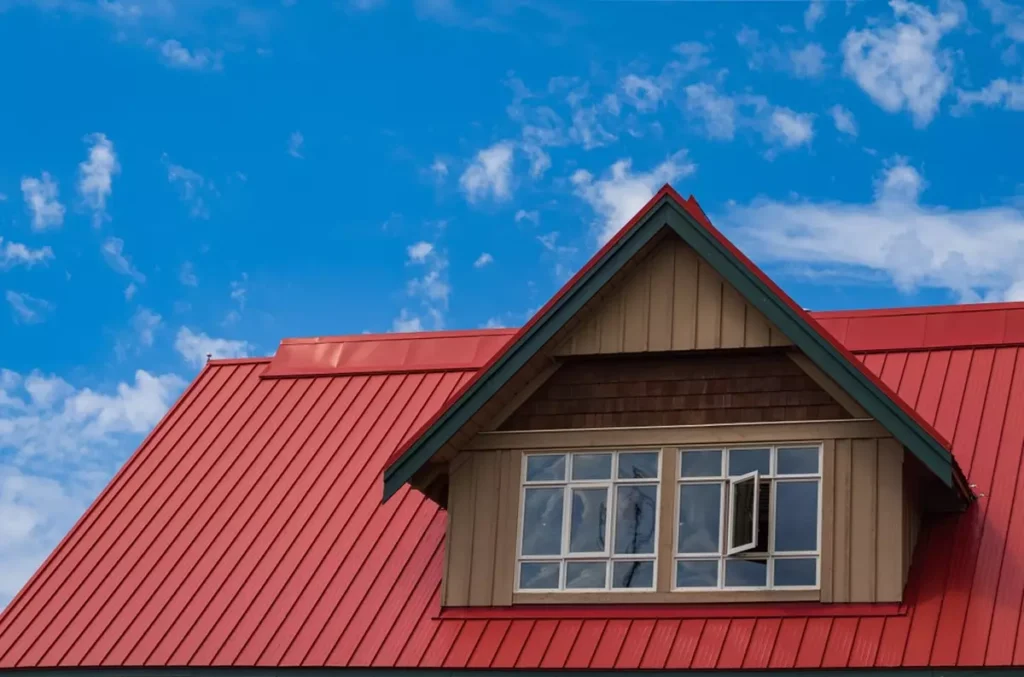
A standing seam metal roof consists of vertical panels with raised seams, offering a sleek, modern look.
Pros
- Highly energy efficient (reflects heat, lowering cooling costs)
- Can last 50 years or more
- Excellent resistance to high winds and fire
Cons
- Higher upfront cost than asphalt shingles
- Requires professional installation
Best For:
Homeowners who want a long-lasting, durable roof with a modern touch.
3. Slate Roofing: Luxury and Longevity
What Is It?
Slate is a natural stone material that creates an elegant, long-lasting roof. It has been used for centuries due to its beauty and strength.
Pros
- Extremely durable (can last 50 years or more)
- Resistant to fire and extreme weather
- Enhances a home’s value and aesthetic appeal
Cons
- Expensive compared to other residential types of roofs
Heavy, requiring reinforced roof framing
Best For:
Homeowners seeking a high-end, long-lasting option with timeless elegance.
4. Gable Roof: A Classic Architectural Style
What Is It?
A gable roof features two sloping sides that form a triangle at the top. It’s one of the most common roof types due to its simple and effective design.
Pros
- Allows for better ventilation and attic space
- Easily sheds rain and snow
- Works well with solar panels
Cons
- Vulnerable to high winds if not properly braced
- Can be prone to leaks if not maintained
Best For:
Homeowners who want a traditional, easy-to-install roofing system with great ventilation.
5. Hip Roofs: Sturdy and Weather-Resistant
What Is It?
A hip roof has slopes on all four sides, making it highly stable and resistant to wind damage.
Pros
- More stable than gable roofs in high winds
- Adds a sophisticated look to any home
- Works well with different types of roofing materials
Cons
- More complex and costly to build
- Can require more maintenance
Best For:
Homeowners in storm-prone areas looking for a durable, attractive roofing style.
6. Mansard Roofs: A Touch of French Elegance
What Is It?
A mansard roof features four sides with two slopes on each, creating additional attic or living space.
Pros
- Offers extra living space in the attic
- Unique and elegant architectural style
- Works well with solar panels
Cons
- More expensive to construct than simpler roof styles
- Requires more maintenance due to its complex design
Best For:
Homeowners looking for a stylish, functional roof with extra living space potential.
7. Gambrel Roof: A Barn-Inspired Classic
What Is It?
A gambrel roof has two slopes on each side, similar to a mansard roof, but with fewer materials needed.
Pros
- Provides extra attic space
- Affordable compared to mansard roofs
- Works well with farmhouse or barn-style homes
Cons
- Less stable in high winds
- Not ideal for areas with heavy snowfall
Best For:
Homeowners who love rustic, barn-style architecture and need additional space.
8. Flat Roof: Modern and Functional
What Is It?
A flat roof is exactly what it sounds like—a low-slope or completely flat roof. While more common in commercial buildings, it’s becoming popular in modern residential design.
Pros
- Ideal for green roofs or rooftop patios
- Works well with solar panels
- Cost-effective and easy to install
Cons
- Requires more maintenance to prevent leaks
- Not ideal for areas with heavy rain
Best For:
Homeowners who want a modern, space-efficient design with the potential for green roofing or solar panels.
Choosing the Right Roof for Your Home
When selecting among the types of residential roofing, consider these key factors:
- Climate: Areas with high winds or extreme weather may need durable options like metal or hip roofs.
- Budget: Asphalt shingles are affordable, while slate and metal roofing offer long-term value.
- Energy Efficiency: Green roofs and metal roofs can help reduce energy costs.
- Aesthetic Appeal: Choose a roof style that complements your home’s architecture.
- Longevity: Some materials last 50 years or more, reducing the need for replacement.
The Bottom Line
There are many types of residential roofs to choose from, each with unique benefits. Whether you prefer the affordability of asphalt roofing, the elegance of slate roofing, or the durability of a standing seam metal roof, the right choice depends on your home’s needs and personal preferences.
Need help selecting the perfect roofing system? Contact a professional roofer to explore your options and ensure your new roof complements your home for decades to come!